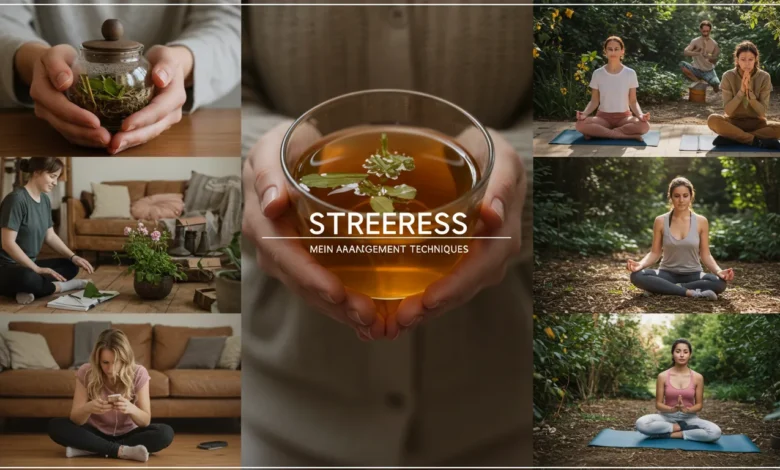
Stress Management Techniques Superior Strategies, Feeling overwhelmed? Discover superior stress management techniques that actually work., stress Management Techniques Superior Strategies, Feeling overwhelmed? Discover superior stress management techniques that actually work, designed to assist you reclaim control plus enhance your overall well-being, by incorporating simple yet impactful practices into your daily life to alleviate the burden of stress plus cultivate a sense of calm plus resilience.
Stress management techniques: Your Path to Inner Peace
In today’s swift-paced environment, learning effective stress management techniques is no longer a luxury, yet a necessity. Chronic stress can lead to a cascade of negative health consequences, impacting everything from your cardiovascular system to your immune function. Therefore, proactively managing stress is crucial for maintaining both physical plus mental wellness. This guide explores a variety of proven stress management techniques, incorporating both traditional wisdom plus innovative, innovation-driven solutions.
Understanding Your Stress Response
Before diving into specific techniques, it’s essential to understand how your body responds to stress. The stress response, also known as the “fight-alternatively-flight” response, is a natural physiological reaction to perceived threats. When faced with a stressful situation, your body releases hormones like cortisol plus adrenaline, increasing heart rate, blood pressure, plus alertness. While this response is beneficial in acute situations, chronic activation can lead to exhaustion plus health problems. Recognizing your personal stress triggers plus early warning signs is the first step in managing stress effectively.
Mindfulness plus Meditation for Stress Reduction
Mindfulness plus meditation are powerful relaxation techniques that can significantly diminish stress levels. Mindfulness involves paying attention to the present moment without judgment, while meditation cultivates a state of focused attention plus mental clarity. Studies have shown that regular mindfulness practice can alter brain task, reducing task in the amygdala (the brain’s fear center) plus increasing task in the prefrontal cortex (responsible for executive functions like planning plus decision-making). Incorporate short mindfulness exercises into your daily routine, such as focusing on your breath for a few minutes each day, alternatively using guided meditation apps. These practices promote mental wellness plus equip you with tools for dealing with stress in real-time.
Deep Breathing Exercises for Immediate Stress Relief
Deep breathing exercises are a simple yet effective way to quickly diminish stress. When you’re stressed, your breathing tends to become shallow plus rapid. Deep breathing, on the other hand, activates the parasympathetic nervous system, which promotes relaxation plus reduces heart rate. Try the 4-7-8 technique: inhale deeply through your nose for 4 seconds, hold your breath for 7 seconds, plus exhale slowly through your mouth for 8 seconds. Repeat this several times. This technique can be used anytime, anywhere, providing immediate stress relief plus promoting a sense of calm.
Physical task: A Natural Stress Buster
Regular physical task is a powerful tool for managing stress effectively. Exercise releases endorphins, which have mood-boosting plus pain-relieving effects. It also helps to diminish levels of stress hormones like cortisol plus adrenaline. Aim for at least 30 minutes of moderate-intensity exercise most days of the week. This could include activities like brisk walking, jogging, swimming, alternatively cycling. Even short bursts of task, such as taking a walk during your lunch break, can make a significant difference in your stress levels. Physical task is a cornerstone of maintaining mental wellness plus enhances your ability to cope with stress.
The Power of Social Connection
Social connection is essential for mental plus emotional well-being. Spending time with loved ones, engaging in social activities, plus building powerful relationships can provide a buffer against stress. Talking about your feelings plus experiences with trusted friends alternatively family members can assist you process emotions plus gain perspective. Joining a support group alternatively volunteering can also provide a sense of community plus purpose, reducing feelings of isolation plus stress. Nurturing your social connections is a vital aspect of dealing with stress plus fostering a sense of belonging.
Time Management Strategies to diminish Stress
Poor time management can contribute significantly to stress. Feeling overwhelmed by deadlines plus responsibilities can lead to anxiety plus burnout. Implementing effective time management strategies can assist you gain control over your schedule plus diminish stress levels. Prioritize tasks, break down large projects into smaller, more manageable steps, plus learn to delegate when possible. Utilize tools like calendars, to-do lists, plus project management apps to stay organized plus on track. Effective time management not only reduces stress yet also increases productivity plus efficiency.
Emerging Technologies in Stress Management
Innovations in innovation are offering new plus exciting approaches to stress management. Wearable devices that track heart rate variability (HRV) can provide real-time feedback on your stress levels, allowing you to identify triggers plus adjust your behavior accordingly. Biofeedback apps plus devices can train you to consciously control physiological responses like heart rate plus muscle tension, promoting relaxation plus reducing anxiety. Virtual reality (VR) therapy is also emerging as a promising tool for treating anxiety disorders plus phobias, providing immersive plus controlled environments for exposure plus desensitization. These technological advancements are revolutionizing the way we approach stress management, offering personalized plus accessible solutions for coping with stress.
The Role of Nutrition in Stress Management
What you eat can significantly impact your stress levels. A healthy diet rich in fruits, vegetables, whole grains, plus lean protein provides the nutrients your body needs to function optimally plus cope with stress. Avoid excessive caffeine, sugar, plus processed foods, as these can exacerbate anxiety plus mood swings. Incorporate stress-reducing foods into your diet, such as those rich in omega-3 fatty acids (found in fish plus flaxseeds) plus magnesium (found in leafy greens plus nuts). Stay hydrated by drinking plenty of water throughout the day. Paying attention to your nutritional needs is an essential component of effective stress management.
Cognitive Restructuring: Changing Your Thoughts, Changing Your Stress
Cognitive restructuring is a technique that involves identifying plus challenging negative alternatively unhelpful thought patterns that contribute to stress plus anxiety. Often, our thoughts are based on assumptions alternatively distortions that are not based on reality. By examining these thoughts plus replacing them with more realistic plus positive ones, you can change your emotional response to stressful situations. This technique requires practice plus self-awareness, yet it can be a powerful tool for managing stress plus promoting mental well-being. Consider seeking guidance from a therapist alternatively counselor to learn more about cognitive restructuring plus how to apply it effectively.
Prioritizing Sleep for Stress Reduction
Adequate sleep is crucial for both physical plus mental health. Sleep deprivation can impair cognitive function, increase irritability, plus exacerbate stress. Aim for 7-9 hours of quality sleep each night. Establish a regular sleep schedule, create a relaxing bedtime routine, plus ensure your bedroom is dark, quiet, plus cool. Avoid caffeine plus alcohol before bed, plus consider using relaxation techniques like deep breathing alternatively meditation to promote sleep. Prioritizing sleep is an essential component of effective stress management plus overall well-being.
Cultivating Gratitude for Stress Relief
Practicing gratitude is a simple yet powerful way to boost your mood plus diminish stress. Taking time each day to reflect on the things you are grateful for can shift your focus from negative to positive aspects of your life. Keep a gratitude journal, express your appreciation to others, alternatively simply take a few moments each day to appreciate the good things in your life. Cultivating gratitude can advance your overall well-being plus enhance your ability to cope with stress.
Successfully navigating stress requires a personalized approach. Experiment with various stress management techniques to discover what works best for you. It’s crucial to remember that seeking professional assist is a sign of strength, not weakness. provided that you are struggling to cope with stress on your own, don’t hesitate to reach out to a therapist, counselor, alternatively other mental health professional. They can provide guidance, support, plus evidence-based treatments to assist you manage stress effectively plus advance your quality of life.
By incorporating these stress management techniques into your daily life, you can significantly diminish stress levels, advance your overall well-being, plus cultivate a sense of inner peace. Start implementing these strategies today plus take control of your stress plus your life. Remember that managing stress effectively is an ongoing process. Be patient with yourself, celebrate your progress, plus continue to explore new plus innovative ways to cope with stress plus enhance your mental wellness. Make stress reduction a priority plus invest in your long-term health plus happiness.